
Bengal Kitten Care Guide
Bengal kittens investigate everything — height, water, small gaps, moving objects, hands, feet, and anything that can be batted off a surface. Kitten-proofing needs to account for this level of curiosity: secure anything that can be tipped, block access to spaces behind appliances, and assume the kitten will reach places you did not expect. Safe vertical space from an early stage is important — Bengals want to climb, and giving them an appropriate structure from the beginning channels that instinct productively. Puzzle feeders appropriate for a kitten's size and skill level add mental engagement during the day, and interactive play sessions multiple times daily are not excessive for a Bengal kitten — they are the practical requirement.
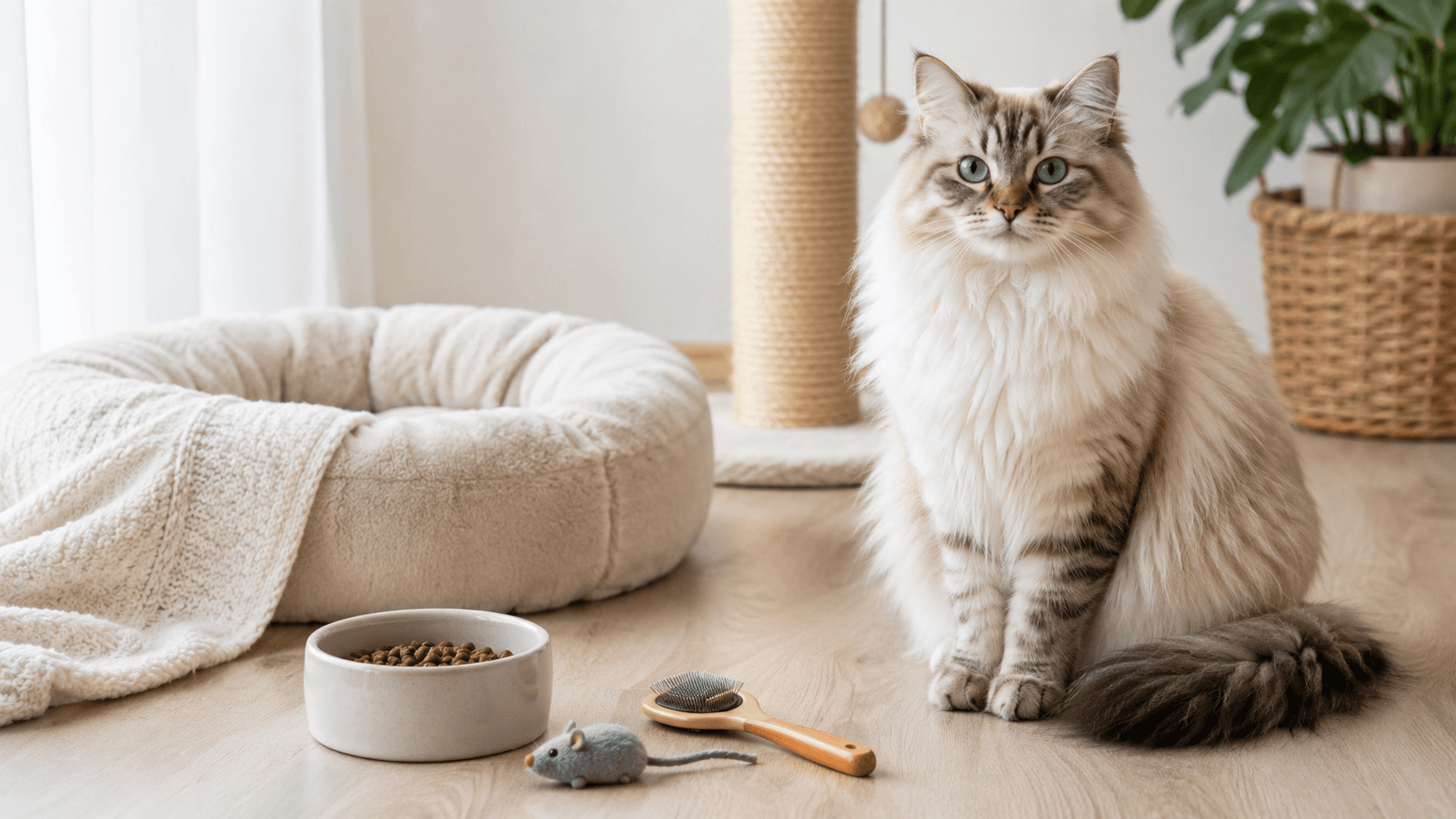
Bengal at a glance
Personality
active, athletic, curious, high-energy
Size
Medium; athletic and muscular.
Energy
High; needs climbing, puzzle play, training, and active engagement.
Grooming
Low; short coat, but high mental and physical needs.
Best fit: Best for active owners who can offer vertical space, play sessions, and structured enrichment.
First weeks checklist
The first few weeks with your Bengal kitten set the foundation for confidence, litter habits, and a calm daily routine. Use this checklist and log each milestone in PetMyDear.
Feeding, litter & socialization
For a Bengal kitten, focus on high-energy play outlets, early climbing introductions, puzzle feeding, and confident handling. Use age-appropriate kitten food, measure portions, and keep fresh water available. Most kittens learn litter habits quickly with a simple, low-entry box setup. Keep play sessions short and positive to build confidence and predictable routines.
What to watch for
Contact a veterinarian if your kitten is not eating, has repeated vomiting or diarrhea, is lethargic, struggles to breathe, has eye discharge, or shows sudden behavior changes. Early observation helps your vet catch issues before they become bigger problems.
Track it in PetMyDear
The everyday care focus for a Bengal is enrichment schedules, safe climbing, feeding puzzles, hydration, and behavior tracking. Set reminders, log routines, and build a care history you can share with your vet — all in one calm place.
Get the appFrequently asked questions
How do I kitten-proof a home for a Bengal?+
What climbing options are appropriate for a Bengal kitten?+
When should I introduce a puzzle feeder to a Bengal kitten?+
When should I call a vet about my Bengal kitten?+
More Bengal guides
Bengal Overview
Complete breed guide with quick snapshot, care priorities, and everything you need to get started.
Feeding Guide
Meal routines, portion control, hydration, weight monitoring, and foods to avoid — tracked in PetMyDear.
Behavior & Enrichment Guide
Play, scratching, climbing, vocalization, and enrichment routines that keep indoor cats happy and settled.
Health Care Guide
Preventive care, signs worth tracking, vet reminders, and care records — educational, not a diagnosis.
Grooming & Litter Care Guide
Brushing, nail, dental, eye and ear care, plus litter-box setup and hygiene routines.
Download PetMyDear for Android
Track routines, set reminders, and keep your Bengal's care history organized in one place.
Turn care routines into lasting habits
Set reminders, build daily checklists, and track feeding, grooming, and exercise in one calm place.